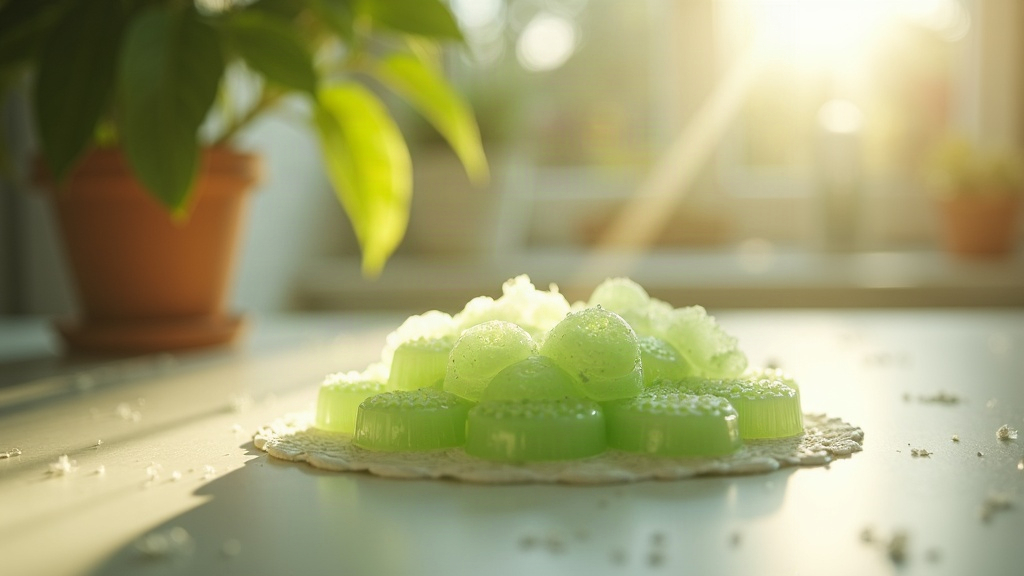
Before you scroll past another wellness trend, take a closer look at how baking soda e gelatin fit into simple, traditional kitchen habits many women already practice — and why the pairing has quietly stuck around for generations.
Before adopting any wellness routine, it helps to understand what’s actually shifting beneath the surface.
Muscle composition naturally changes over the years, which can influence how the body feels from one day to the next.
This is one of the reasons baking soda e gelatin have become part of many women's kitchen conversations — a simple, traditional pairing worth understanding rather than a fix.
How full or satisfied a meal feels can shift over time, prompting many women to look at their habits from a new angle.
One-size-fits-all diet rules from decades past don't always reflect how a woman's body works today.
Separating common assumptions from what’s actually understood about the body helps set realistic expectations.
Metabolism only slows down because of age.
Many factors — including muscle composition, sleep, and daily habits — play a role in how the body uses energy.
Cutting calories drastically is the only way to feel lighter.
Extreme restriction can backfire; many women focus instead on consistent, sustainable habits.
Weight is the only measure of wellness.
Energy, skin, joints, and overall well-being are just as meaningful to pay attention to.
Here’s how many women approach this traditional kitchen pairing, step by step.
Notice how your body responds to your current daily routine before changing anything.
Explore how ingredients like baking soda and gelatin have been used in home kitchens for generations.
Small, repeatable habits tend to matter more over time than dramatic short-term changes.
Long before wellness trends existed, home cooks relied on simple pantry staples to prepare broths, desserts, and baked goods. Gelatin — often derived from collagen-rich ingredients — was a kitchen staple for texture and structure, while baking soda was trusted for its versatility in everyday food preparation. Over generations, these two ingredients found their way into household routines far beyond the kitchen counter, often paired in recipes passed down between women in the same family.
The insight here isn’t about a new discovery — it’s about revisiting a pairing that has quietly existed in kitchens for decades, long before it became a wellness talking point.
Some women notice their nails becoming more brittle or slower to grow.
Skin can feel less supple over time, prompting closer attention to daily habits.
Mild stiffness after sitting or exercising is a common topic among women comparing notes.
Feeling hungry sooner after meals, or not feeling satisfied, is something many women mention.
Afternoon energy slumps are a frequent conversation starter in wellness communities.
Weight that doesn't move despite consistent habits is one of the most commonly shared frustrations.
Testimonials reflect individual opinions and experiences. Individual results may vary, and these statements have not been evaluated by the FDA. This content is not intended to diagnose, treat, cure, or prevent any disease.
Hydrolyzed gelatin is gelatin that has been broken down into smaller particles, often making it easier to mix into foods and beverages. It is commonly derived from collagen sources.
This page is educational and discusses general wellness habits and traditional kitchen ingredients.
Historically, both ingredients have appeared in traditional kitchen routines, sometimes paired in recipes passed down through generations.
No. This content is for educational purposes only and does not replace guidance from a qualified healthcare professional.
This content does not make any weight-loss claims. It focuses on general wellness awareness and traditional habits.
This information is intended for women interested in learning more about traditional wellness habits.
It’s always best to speak with a healthcare professional before making changes to your diet or routine.
Take a few minutes to watch the video and decide for yourself if this traditional kitchen habit is worth exploring.
Advertising Disclosure: This page contains sponsored content and affiliate links. We may receive compensation if you click on or make purchases through links on this page. This helps support the content we provide, but does not influence our editorial opinions or evaluations.
Content Disclaimer: This content is provided for educational and informational purposes only. It has not been evaluated by the Food and Drug Administration (FDA). This information is not intended to diagnose, treat, cure, or prevent any disease or health condition. Always consult a qualified healthcare professional before making changes to your diet, exercise, or wellness routine.
Results Disclaimer: Individual results may vary. Testimonials and experiences shared on this page reflect personal opinions and are not a guarantee of specific outcomes. What works for one person may not work the same way for another.
© 2026 r1comercio.com · All Rights Reserved · Contact